Skip to content
Back to Training

Training

Master Class

Program news

  • Constitutional Union Holds 7th Master Class Edition on "Alternative Morocco After Covid-19"

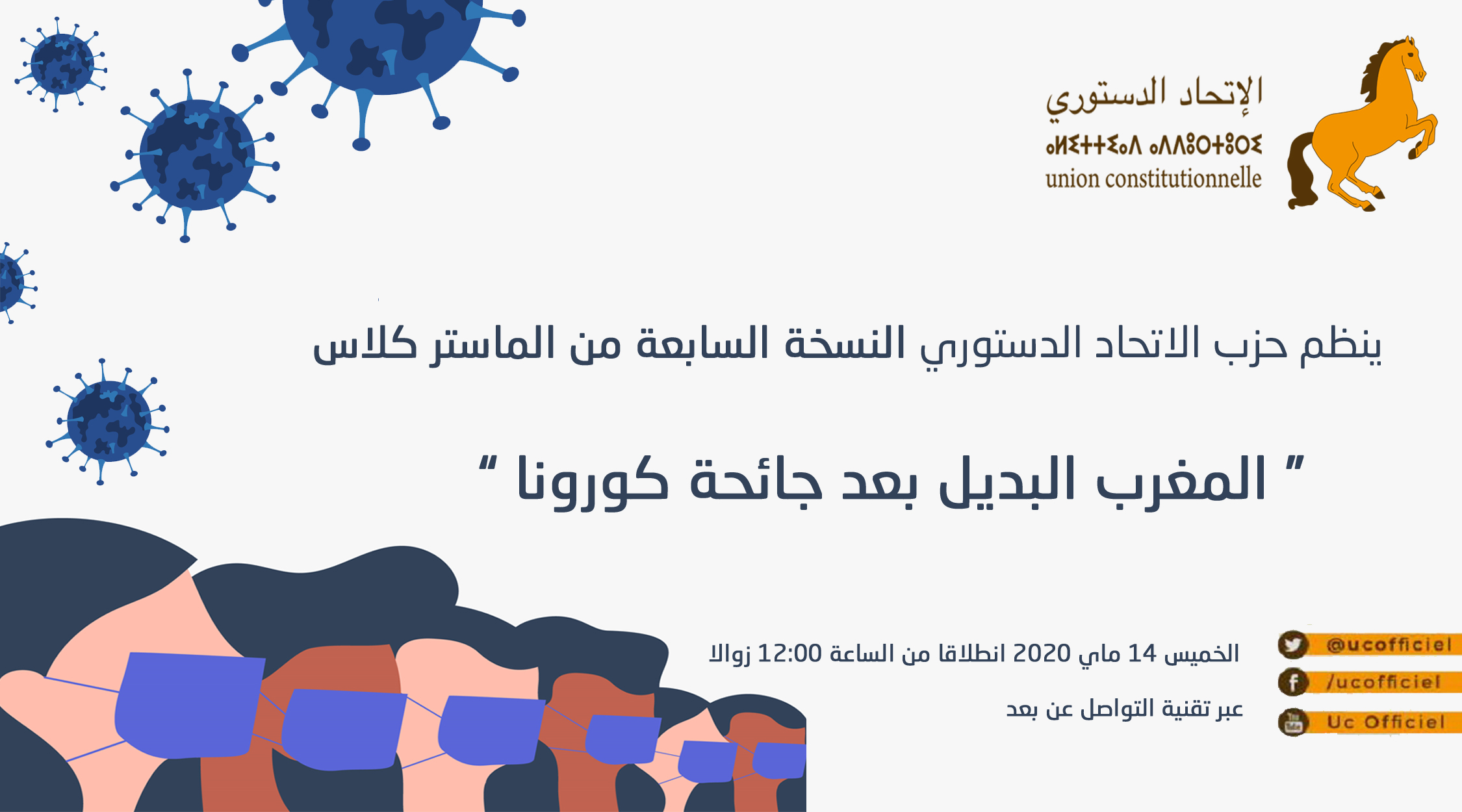
    Following the success of previous editions, the Constitutional Union (UC) party continues its Master Class series, engaging citizens, youth, professionals, and party leaders amid the Covid-19 pandemic. The 7th edition focuses on the theme "Alternative Morocco After the Covid-19 Pandemic," bringing together a wide group of young members, women, and domain experts to examine the economic and social outlook of the post-pandemic era. The session will take place via videoconference on Thursday, May 14, 2020, starting at 12:00 PM.
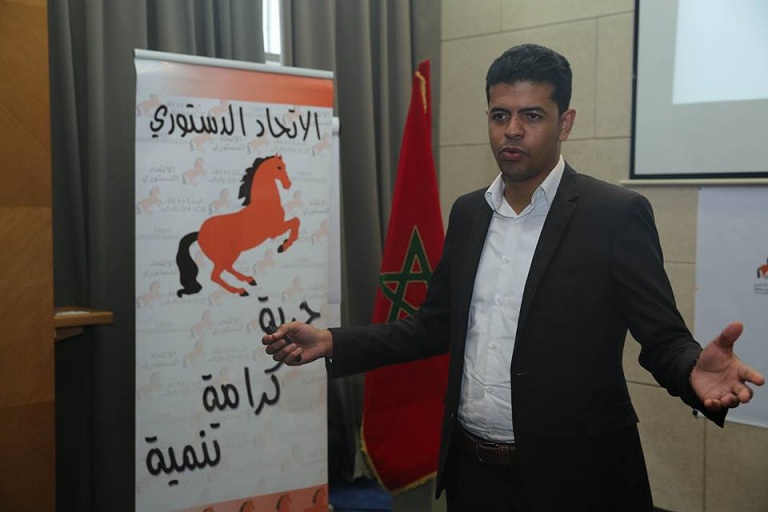
  • Brother El Rouijae Explains "Communication Mechanisms for Youth" and Discusses Leadership

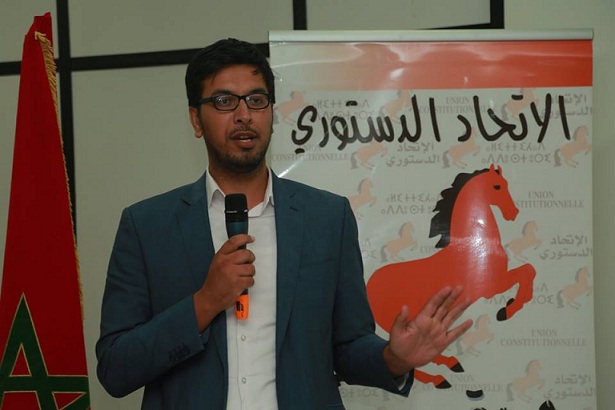
    Facilitated by Hamza El Rouijae during the 6th "Master Class" edition hosted by the UC in partnership with the NDI, this workshop examined youth leadership and political communication. Addressing political disengagement—where only 1% of youth are party-affiliated despite high digital activity—5 working groups analyzed core leadership traits like charisma, public speaking, and critical analysis. The session highlighted royal directives on political party support and the vital role of NDI-partnered training in empowering young leaders.

  • Constitutional Union Holds the 6th Edition of "Master Class" in the Presence of Othman El Ferdaous

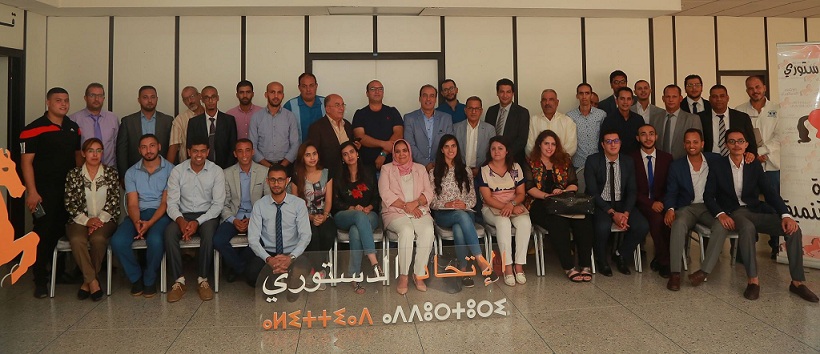
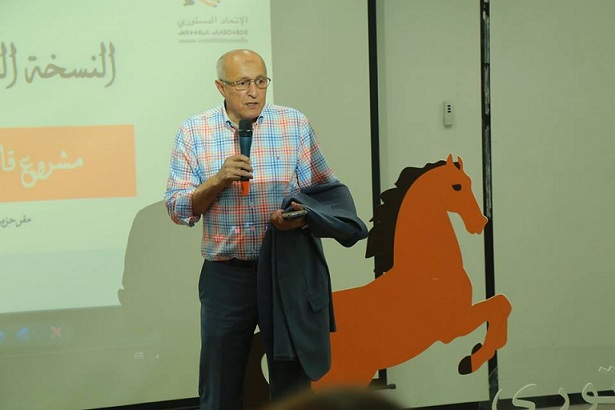
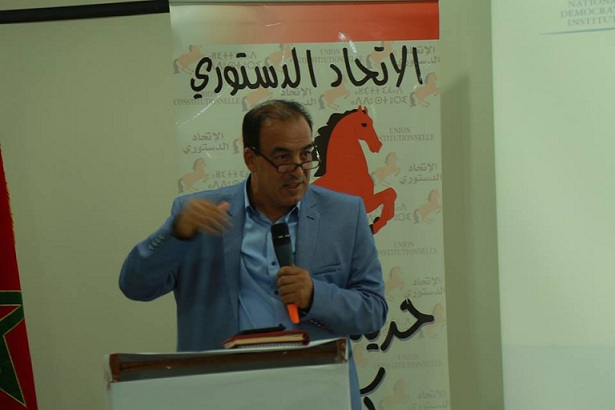
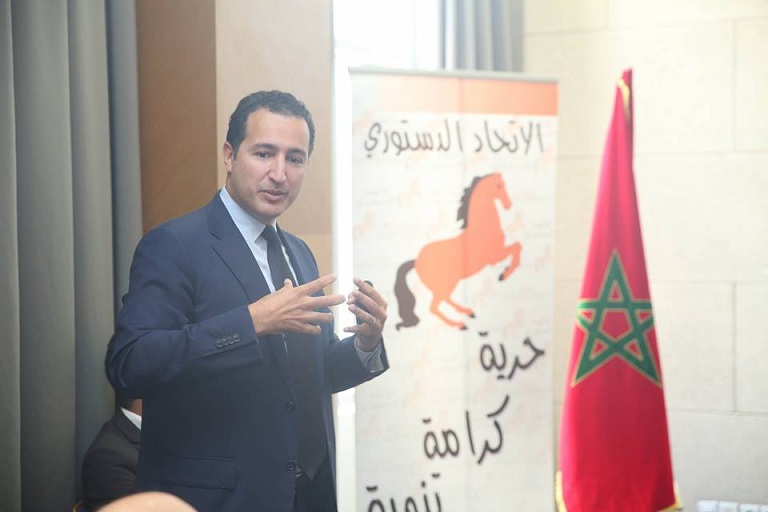
    In partnership with the NDI since early 2018, the Constitutional Union (UC) party hosts the 6th edition of its "Master Class" leadership series on Saturday, October 27, at the Ibis Hotel in Casablanca. The session features two core pillars: "The Development Model," led by Othman El Ferdaous (Secretary of State for Investment), and "Strengthening Communication Mechanisms for Youth," facilitated by program alumnus Hamza El Rouijae. This edition builds on prior achievements, including the youth policy manifesto "50 Measures for a Possible Morocco" and capacity-building workshops on analyzing the 2019 Finance Bill.

  • 5th "Master Class" Edition: Constitutional Youth Examine the 2019 Finance Bill

    As reported by Rissalat Al Oumma, young members of the Constitutional Union (UC) met on Saturday, September 30, at the party headquarters in Casablanca for the 5th "Master Class" edition to analyze the 2019 Finance Bill within the framework of Royal Directives for the new development model. Proceedings were organized around four key modules: National and International Policy Context: Delivered by Dr. Hassan Abiaba, analyzing global and domestic factors influencing budget planning. Social Priorities of the 2019 Finance Bill: Presented by Dr. Lahbib El Dekkak, focusing on education, healthcare, and social spending. Vulnerability of Financial Balances: Explored by Dr. Ahmedou El Baz, evaluating fiscal deficits and macroeconomic constraints. Anticipated Budgetary Measures: Detailed by Saïd Assal, leading into an interactive town-hall debate driven by youth interventions.

  • El Ferdaous: The Selection of the 2019 Finance Bill Topic Is Highly Timely and Relevant

    As reported by Rissalat Al Oumma, Abdallah El Ferdaous, Director of the Constitutional Union (UC) party, opened the 5th "Master Class" session by commending the high attendance and rapid progression of the program. Key highlights from his opening address include: Relevance of the Topic & Fiscal Deficit: He praised the selection of the "2019 Finance Bill" as timely, pointing out a major funding shortfall of nearly 30 billion MAD that coalition parties are attempting to address through budget amendments to maintain fiscal balance. Historical Continuity: He noted that the "Master Class" is a direct continuation of the party's historical training initiatives—previously known as "Governance Thursday" and "Constitutional Thursday"—designed to empower youth and local council presidents. Party Leadership Support: He reaffirmed the party administration's full commitment to providing resources, guidance, and support for young members and participants.

  • Abiaba: Rhetoric Driven by Social and Religious Emotions Yields Votes, Not Development

    As reported by Rissalat Al Oumma, Dr. Hassan Abiaba, University Professor and UC Political Bureau member, delivered a critique of the technocratic drafting of the 2019 Finance Bill during the 5th "Master Class" session, arguing it was disconnected from economic realities and field data. Key takeaways include: Lack of Vision & Political Accountability: Criticizing obscure figures and weak parliamentary debate, holding the governing majority political accountable for budget execution. Macroeconomic Pressures: Pointing to warnings from Bank Al-Maghrib, the Court of Auditors, and international trade tensions impacting domestic growth. Rejection of Populism: Emphasizing that economic management requires technical realism rather than slogans, noting that "rhetoric driven by social and religious emotions yields votes, but does not yield development." Widening Fiscal Deficit: Projecting actual funding shortfalls could reach 50 billion MAD to satisfy social obligations, concluding that current parliamentary and governmental structures represent an outdated model incapable of driving new development.

  • Ahmedou El Baz: The 2019 Finance Bill Has a Distinctive Character as it Covers the Next Three Years

    As reported by Rissalat Al Oumma, Dr. Ahmedou El Baz, University Professor and UC Political Bureau member, highlighted the multi-year framework of the 2019 Finance Bill during the 5th "Master Class" session, in compliance with the Organic Law on the Finance Act (LOLF). His core analysis covered three main pillars: Policy Context & Royal Directives: Budgetary planning guided by H1 2018 execution metrics and the Summer 2018 Royal Speeches prioritizing social vulnerability reduction and youth inclusion. Social Sector Reforms: Allocating spending priorities toward education reform (via the Framework Law) and healthcare restructuring, starting with the overhaul of the RAMED program. Employment, Social Dialogue & Youth Integration: Calling for institutionalized social dialogue to combat urban youth unemployment (exceeding 40%) and framing mandatory military service as a key tool for civic engagement.

  • Assal: The Government Has Two Primary Options: Controlling Expenditures or Developing New Financial Resources

    As reported by Rissalat Al Oumma, academic and Constitutional Union (UC) member Saïd Assal discussed Morocco's financial vulnerabilities during the 5th "Master Class" edition. Assal asserted that fiscal sustainability in the 2019 Finance Bill relies on two main pillars: strict expenditure control to reduce deficits, and generating new revenue streams without dampening economic growth. He advocated for targeted business tax incentives and measures to protect household purchasing power, basing his assessment on mid-2018 budget execution data through August, which indicated forecasted deficits slowing overall growth.