On Saturday, November 18, 2023, the Moroccan people proudly celebrated the 68th anniversary of glorious Independence Day, which embodied the victory of the will of the Throne and the people and their close alliance to defend the nation's unity, sovereignty, and sacred values.
This glorious anniversary (November 18 of each year) is considered one of the most prominent historical turning points that shaped the Kingdom's path, and one of the dearest national epics deeply rooted in the hearts of Moroccans, due to the deep connotations, eloquent lessons, great heroism, immense sacrifices, and immortal historical glories it carries.
The anniversary of Independence Day comes as a historical moment for reflection and contemplation on the process of the national struggle for freedom, independence, and the achievement of territorial integrity, within a comprehensive and integrated militant context that strengthens the ties of the unbreakable bond between the Throne and the people, and reinforces the close covenant between them to move forward on the path of achieving growth and prosperity in all fields and attaining the standing the Kingdom deserves among the nations of the world.
Numerous are the heroic battles and popular uprisings waged by the sons of the Moroccan people across all regions of the Kingdom in confronting the foreign presence and colonial domination. Among these heroic deeds are the battles of El Herri, Anoual, Boughafir, Mount Badou, Sidi Bou Othmane, the uprising of the Ait Baamrane tribes and the southern provinces, and other historical milestones in which the resistance fighters taught colonial forces wonderful lessons in steadfastness and sacrifice.
Among the most prominent historical milestones that marked the course of the national struggle is the historic visit made by the hero of liberation, His Late Majesty King Mohammed V, to Tangier on April 9, 1947, affirming Morocco's adherence—king and people—to the freedom of the homeland, its territorial integrity, and its attachment to its fundamentals and identity.
Following that visit, which was pregnant with the values of liberation and emancipation from the yoke of colonialism, the machinations of the protectorate authorities intensified, especially since His Late Majesty King Mohammed V did not submit to their pressures; his positions rejecting any compromise were the reason the colonizer began plotting the conspiracy of exile.
In a moment of national cohesion reflecting the memory of a people's struggle united behind their king, the spark of the Revolution of the King and the People was launched on August 20, 1953, the celebration of which serves as an occasion for the rising generations to realize the magnitude of the sacrifices made by their ancestors to free themselves from the injustice of colonialism and restore Morocco's independence.
The strong will of the nation triumphed in harmony with the Throne to defend sacred national values, defying the plans of the colonizer, who did not realize that by proceeding to exile the symbol of the nation, His Late Majesty King Mohammed V and his noble family, he was only fueling the patriotism of Moroccans and accelerating the end of the era of guardianship and protection.
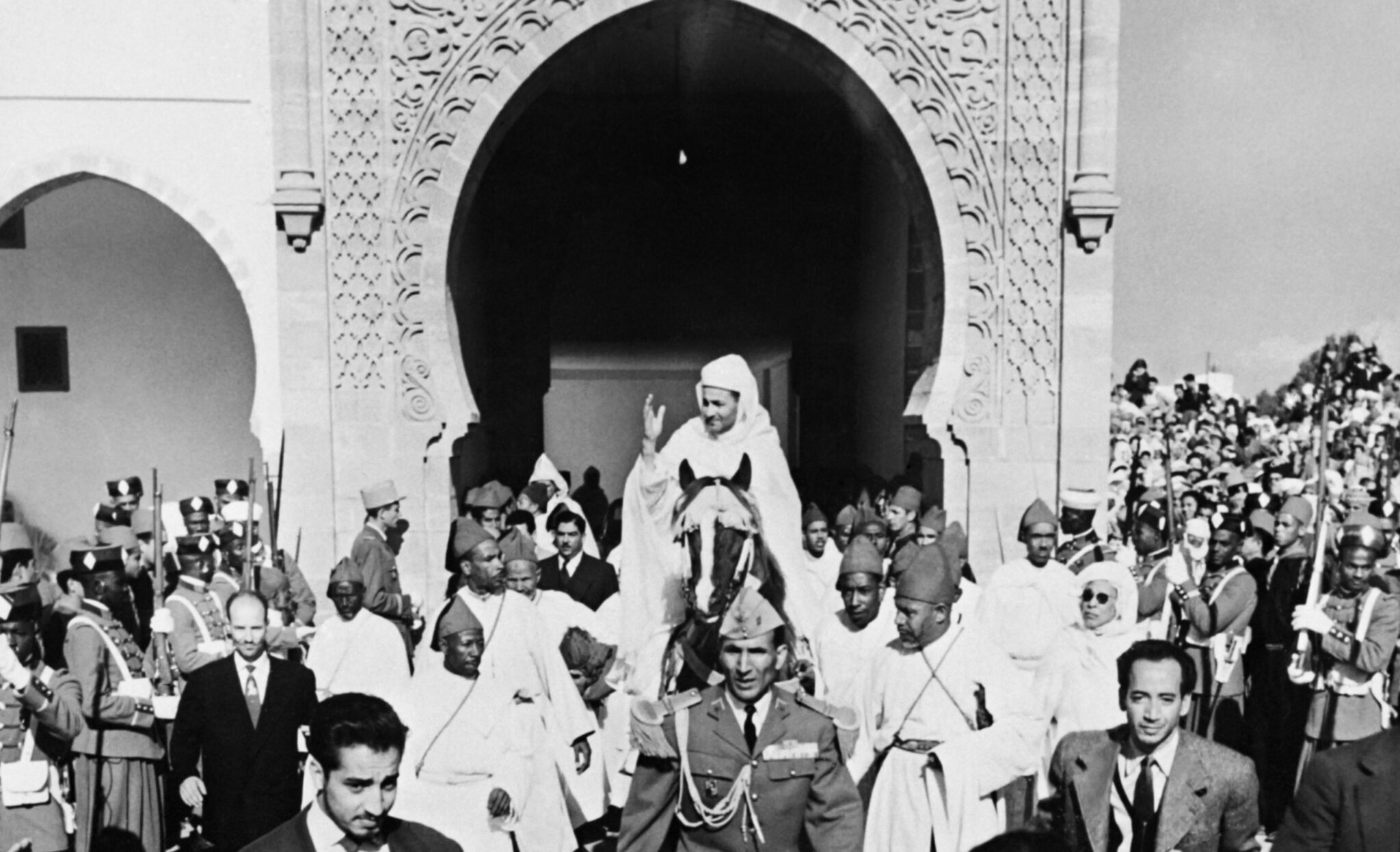
The minds of Moroccans throughout all regions of the Kingdom were not put at ease until the return of His Late Majesty King Mohammed V on November 16, 1955, carrying with him the banner of freedom and independence and announcing the transition from the lesser jihad to the greater jihad, in order to build the Morocco of independence.
On November 18, His Late Majesty King Mohammed V, alongside his companion in struggle, His Late Majesty King Hassan II, announced "the end of the yoke of occupation and the dawn of an era of freedom and independence."
After achieving independence, the Kingdom of Morocco entered a new era, embodied in the famous saying of His Late Majesty King Mohammed V: "We have moved from the lesser jihad to the greater jihad," as the Kingdom engaged in numerous reforms touching all vital sectors in order to build the new Morocco and continue the epic of achieving territorial integrity.
Following in the footsteps of his blessed father, His Late Majesty King Hassan II waged the battle to complete territorial integrity; during his reign, the city of Sidi Ifni was recovered on June 30, 1969, and the recovery of the southern provinces was achieved thanks to the Green March, which was launched on November 6, 1975. Furthermore, His Late Majesty King Hassan II was keen to build a state of law and modern institutions, and to establish an exemplary political and democratic system.
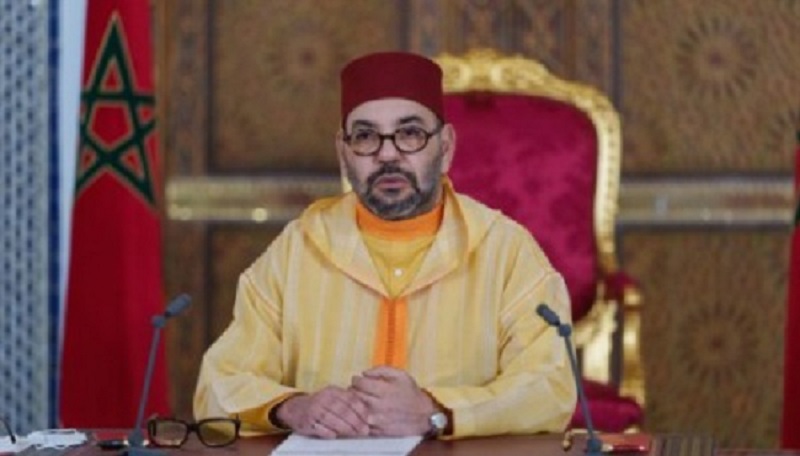
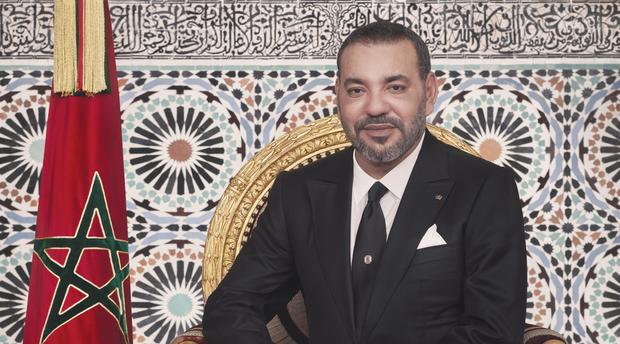
Consolidating the path of building pursued by His Late Majesty Mohammed V and after him His Late Majesty Hassan II, Morocco, under the wise leadership of His Majesty King Mohammed VI, is witnessing numerous giant development sites and major reforms concerning various fields, notably through the launch of the New Development Model and the project to generalize social protection, which reflects the care His Majesty gives to the human element ever since he ascended the throne of his glorious ancestors.
It is certain that celebrating Independence Day represents a moment for a reflective pause recalling Morocco's history rich in glories and bright milestones to defend the country's sanctities, and an occasion to draw inspiration from the sublime values and noble goals this anniversary brims with, to foster comprehensive mobilization, instill the spirit of citizenship, safeguard democratic gains, continue the march of the greater jihad, cement and preserve Morocco's territorial integrity, and connect the glorious past with the glorious present and promising future.