King Mohammed VI: Morocco Was a Pioneer in Constitutionally Enshrining Participatory Democracy and Citizenship
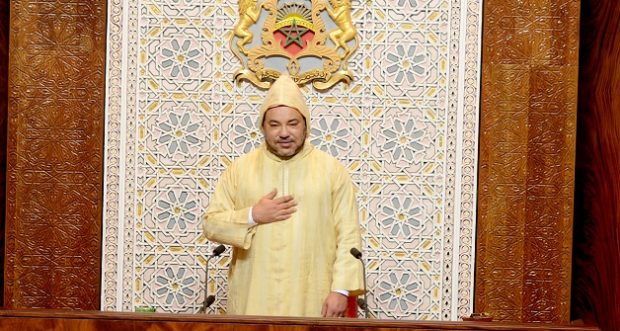
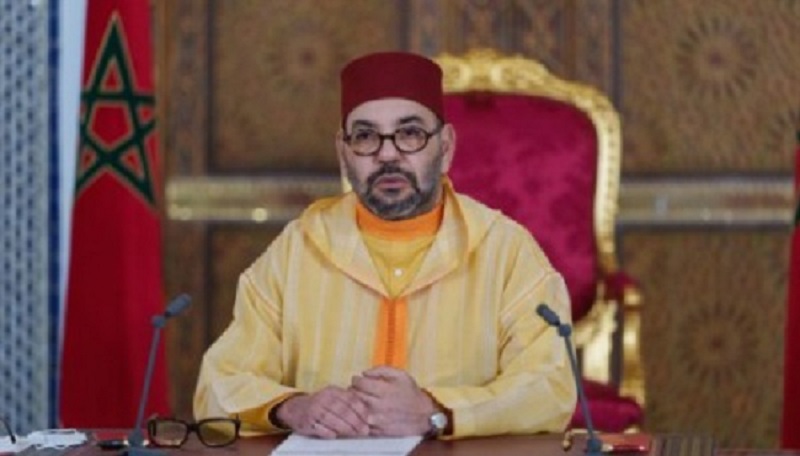
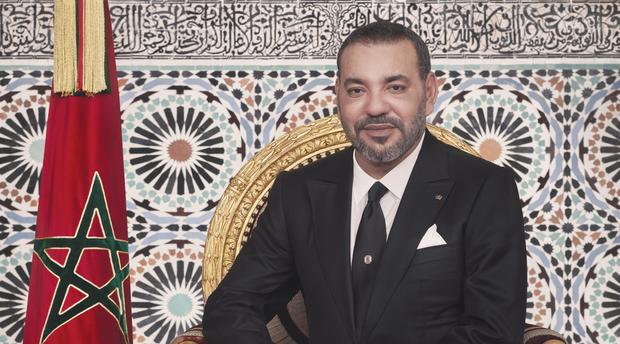
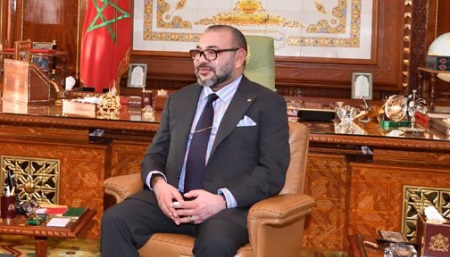
In a message addressed to the participants of the national symposium marking the 60th anniversary of the establishment of Morocco's first elected parliament, His Majesty King Mohammed VI emphasized that the Kingdom was a pioneer in constitutionally enshrining participatory democracy, citizen involvement, and the roles of civil society. The message, read by the Speaker of the House of Representatives, Rachid Talbi Alami, highlighted that Morocco's parliamentary model was built on a visionary political approach rooted in gradual progress, continuous constitutional reforms, and the inclusion of active political, social, and economic forces.
Key Highlights of the Royal Message:
Democratic Foundations: Democracy is not a ready-made recipe or an imported model, but an endogenous, gradual building process that embraces plurality and diversity.
Institutional Evolution: From the establishment of the National Consultative Council under King Mohammed V, through the founding of the state of institutions under King Hassan II, to the bicameral system and pivotal constitutional reforms of 1992, 1996, and the advanced 2011 Constitution, Morocco has consistently solidified its democratic path.
Parliamentary Competence: The legislature has expanded powers—not just in drafting laws and monitoring government action, but also in evaluating public policies.
Parliamentary Diplomacy: The Moroccan parliament plays a leading role in defending the Kingdom's vital interests, territorial integrity, and African priorities based on non-interference and peaceful dispute resolution.
Future Challenges: His Majesty urged the elevation of representative democracy by prioritizing supreme national interests over partisan calculations, enacting a legally binding code of ethics for parliamentarians, ensuring harmony between representative and participatory democracy, and enhancing the representation of women and youth.