### English
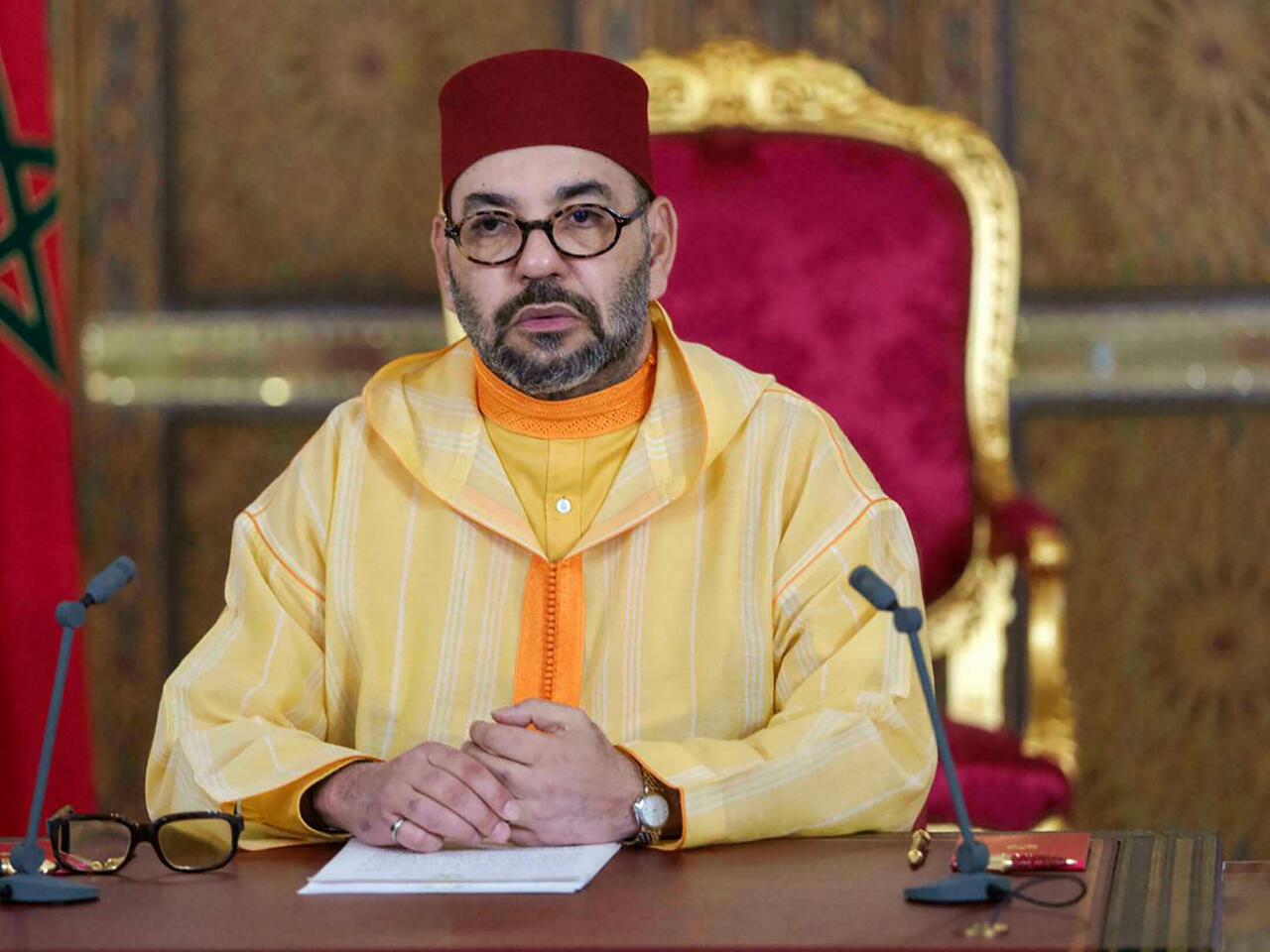
His Majesty King Mohammed VI, may God assist Him, addressed a message to the participants in the meeting of the African Caucus of Ministers of Finance and Central Bank Governors of the African Member States of the World Bank and the International Monetary Fund, which opened its proceedings on Tuesday in Marrakech.
Here follows the full text of the Royal Message, which was read by the Minister of Economy and Finance, Mrs. Nadia Fettah Alaoui:
"Praise be to God, and peace and blessings be upon His Prophet, His kith and kin.
Your Excellencies, Ladies and Gentlemen,
It gives us great pleasure, first of all, to welcome to Morocco the distinguished guests participating in the 2022 meeting of the African Caucus of Ministers of Finance and Central Bank Governors of the African Member States of the World Bank and the International Monetary Fund, a meeting which We have decided to place under Our High Patronage.
We also commend the highly important role played by this African Caucus, founded in 1963, which aims to amplify the voice of African governors within the Bretton Woods institutions regarding the economic and social development challenges facing the countries of our continent.
Your Excellencies, Ladies and Gentlemen,
As you are aware, just as the world was preparing to overcome the fallout from the COVID-19 pandemic, the global economy was hit by unprecedented disruptions in supply chains and mounting inflationary pressures, alongside record highs in energy, food, and raw material prices. These disruptions have dire social consequences.
The impacts of this crisis vary among African countries depending on the nature of their economic potential and their needs for raw materials, particularly energy or food.
In this difficult environment, our African continent emerges as one of the most affected regions, whether due to the growing threat to its energy and food security, or the decline in its economic growth rates, in addition to the worsening social conditions in many of its countries.
Furthermore, the surge in financing needs, in a context characterized by the scarcity and tightening of concessional financing conditions, is leading to a sharp increase in debt service, which further exacerbates the economic situation for a large number of countries on the continent.
Consequently, the need has become more urgent than ever for greater international support and cooperation to enable African countries to mitigate the repercussions of the inflationary spiral that has gripped the global economy, and to strengthen their resilience in the face of external shocks.
Your Excellencies, Ladies and Gentlemen,
The international community, including the International Monetary Fund and the World Bank, has already shown significant mobilization to assist countries affected by the COVID-19 pandemic and subsequently the Ukrainian crisis. This has been done through measures and initiatives aimed in particular at easing the debt service burden, narrowing the financing gap, and maintaining external balances.
However, these initiatives, worthy of praise and appreciation as they are, remain insufficient given the magnitude of the immense challenges facing African countries on their path towards achieving sustainable and inclusive development. We must recognize the persistence of structural shortcomings in the economic growth models and social protection networks in African countries.
As you know, many of the continent's economies are characterized by a lack of diversification and a heavy reliance on raw material exports, while their agricultural sectors are heavily dependent on climate fluctuations, in addition to the suboptimal utilization of their immense demographic dividend.
Therefore, it is essential to intensify efforts to address these imbalances and shortcomings by devising comprehensive development programs with clear objectives and innovative financing mechanisms. These measures must place the African citizen at the core of their concerns, and rely fundamentally on leveraging opportunities for economic integration among African countries, as well as engaging actively in the dynamics of digital transformation and energy transition that the world is experiencing today.
Your Excellencies, Ladies and Gentlemen,
The convening of the African Caucus of Ministers of Finance and Central Bank Governors in these exceptional circumstances provides a timely opportunity to examine the challenges facing our African countries and to exchange views on the best ways to tackle them.
In this regard, we can only commend the appropriate choice of topics scheduled on the agenda of this meeting, foremost among them the debt issue and the challenges of digitalization and climate change.
Regarding debt, everyone agrees it is one of the greatest economic challenges facing the countries of the African continent. It continues to challenge the entire international community, not only because it constitutes a growing burden on the limited development resources of most African countries, but also because it mortgages the future of coming generations and their legitimate right to development and prosperity.
In this regard, the Bretton Woods institutions, in collaboration with other regional and international financial institutions, can provide technical solutions and appropriate financing formulas to improve the debt situation in African countries, particularly low-income countries. However, these financing solutions remain conjunctural given the massive financing gap suffered by the continent's countries, as they face enormous financing needs estimated at hundreds of billions of dollars annually.
Hence the importance of developing additional structural financing options, based primarily on mobilizing more domestic resources through structural reforms that enhance the efficiency of tax systems, the effectiveness of public spending, and the attractiveness of foreign investments, in addition to developing public-private partnership mechanisms.
On the other hand, the problem of climate change also emerges as one of the most pressing challenges facing our continent, given its serious and long-term consequences on various aspects of life in our countries.
Although African countries contribute the least to greenhouse gas emissions, they are, unfortunately, among the most affected by its repercussions, due to consecutive years of drought, scarce rainfall, and the accelerating pace of desertification.
Given the nature of the climate challenge as a global phenomenon that defies unilateral solutions, the international community is called upon to listen to the demands of African countries in this regard and mobilize the necessary financial and technical resources to assist the continent's countries in their efforts to mitigate the impacts of climate change or adapt to them, knowing that Africa remains the continent benefiting the least from the promised funding under the Paris Agreement on climate.
Simultaneously, our African countries are called upon to reorient their development models towards more sustainable production and consumption patterns, taking into account the constraints imposed by climate change, whether in terms of the volume of available natural resources or the nature of the economic choices pursued.
Your Excellencies, Ladies and Gentlemen,
If high indebtedness and the phenomenon of climate change pose a major challenge threatening the stability of African economies and the sustainability of their development models, the digital transition offers immense development opportunities for African countries, which must be optimally leveraged.
Digital technology indeed constitutes a structural transformation in our approach to the world around us, as it allows for the development of new production and consumption patterns that can create more jobs and serve as a source for boosting investment opportunities.
Digital media also constitute privileged channels for enhancing financial inclusion and expanding health and social coverage.
Conversely, however, digitalization as an economic choice requires providing sufficient and specialized human competencies, instilling this culture among various segments of society, and developing technical infrastructures capable of keeping pace with the rapid development in this sector.
Although digitalization also entails complex repercussions that are difficult to address, it seems necessary to accelerate the pace of digitizing our African societies to close the gap in this field with developed countries, and to reap the fruits of the digital boom the world is witnessing. This involves providing the necessary financial and human resources to take up this challenge, and mobilizing African human talent to offer digital solutions tailored to the cultural and societal specificities of the continent's countries.
Your Excellencies, Ladies and Gentlemen,
South-South cooperation remains the optimal path to advancing the economic conditions of the continent's countries. Morocco holds firm convictions and has made significant achievements in this context, through continuous commitment and structuring projects, such as the Nigeria-Morocco Gas Pipeline project, which is expected to contribute radically to enhancing the energy security of a large number of African countries.
Likewise, the progress made in operationalizing the African Continental Free Trade Area (AfCFTA), despite the challenges associated with the current crisis, serves as additional evidence of our continent's ability to strengthen its economic integration in accordance with a shared vision. Activating this zone as soon as possible will enable accelerating the integration of African economies among themselves and into global value chains, as well as consolidating the South-South trade and economic cooperation we all aspire to.
In parallel, we can only renew the call for our partners, both bilateral and multilateral, to support the development efforts undertaken by the countries of our continent, within the framework of a win-win strategic partnership that provides African countries with adequate resources to shoulder the burdens of sustainable development and provide a decent and secure livelihood for their various peoples.
While commending the successful efforts you are making to support our continent's endeavors to take up economic and social development challenges, we wish you once again a pleasant stay in Morocco, and full success for your esteemed gathering.
May the peace, mercy, and blessings of God be upon you."