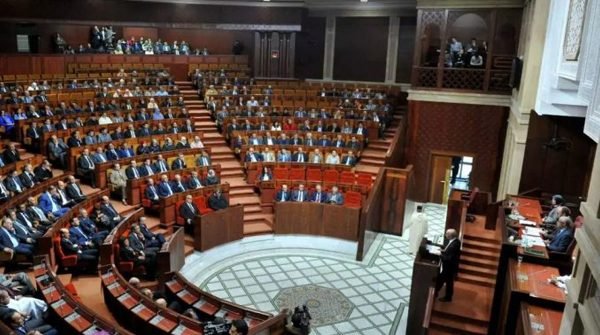
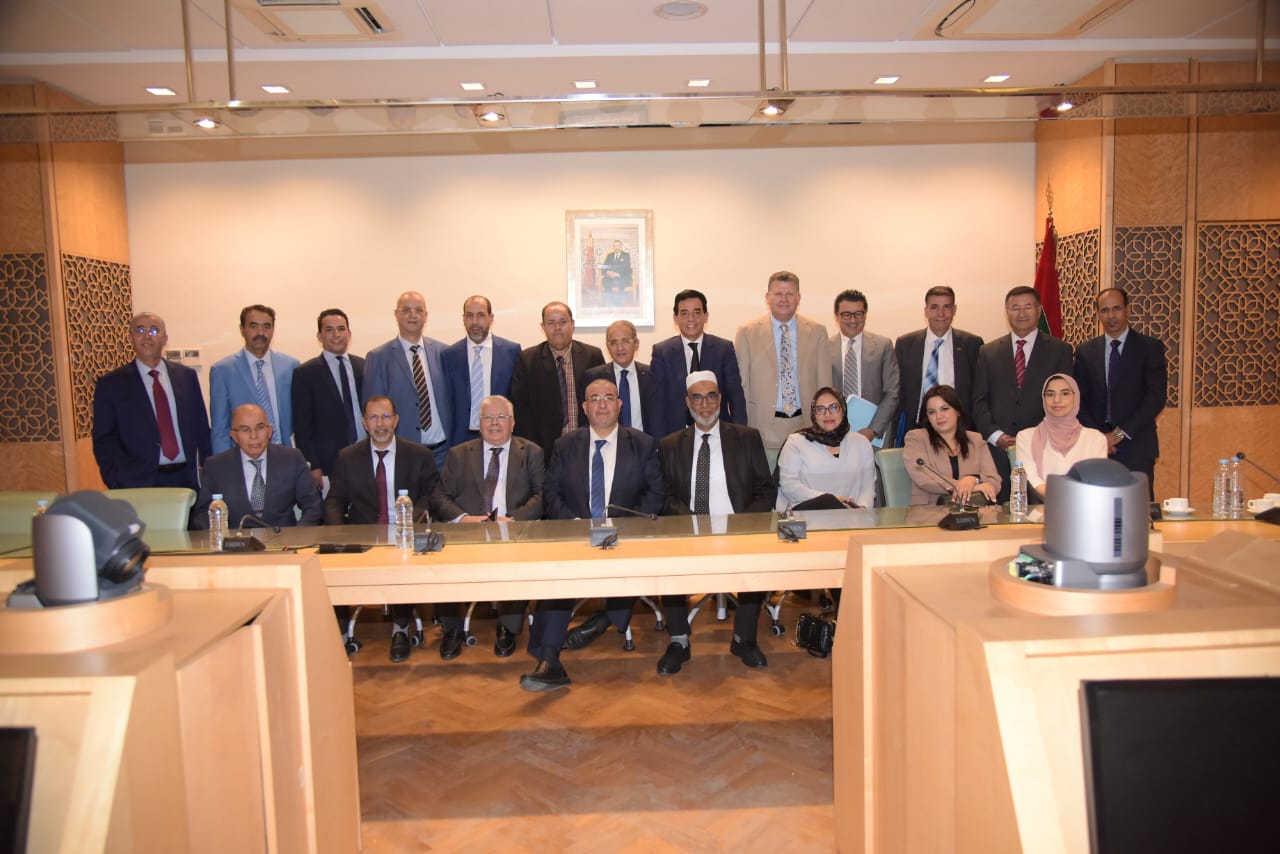
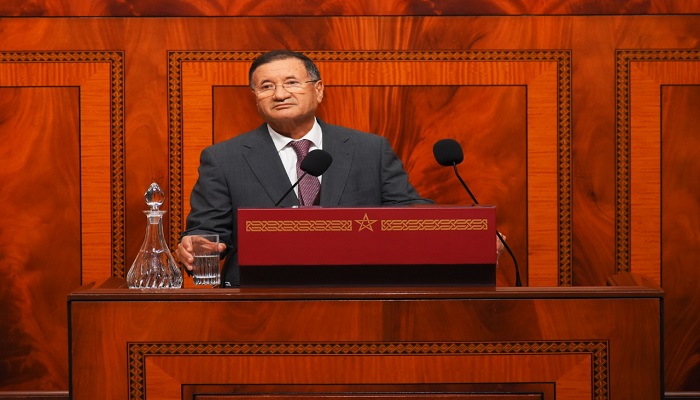
The Committee on Finance and Economic Development at the House of Representatives adopted by majority, on Wednesday evening, the first part of the finance bill for the 2023 fiscal year, as amended.
The first part of the bill received the approval of 25 deputies, while 10 deputies opposed it. The number of amendments proposed by the government, majority groups, and the opposition during this meeting—held in the presence of the Minister of Economy and Finance, Nadia Fettah, and the Minister Delegate in charge of the Budget, Faouzi Lekjaa—reached 210 amendments.
These amendments were distributed across measures into 47 customs amendments and 142 tax amendments, including 42 from the opposition. Additionally, 21 miscellaneous amendments were presented, bringing the total to 210.
The Minister of Economy and Finance, Nadia Fettah, emphasized during her interaction with parliamentary groups' interventions during general discussion sessions in the committee that the 2023 finance bill is centered on preserving macroeconomic balances. She highlighted that the bill was prepared in a complex and exceptional context marked by multidimensional global crises, "which affects public finances and macroeconomic balances," noting that it addresses the aftermath of the crisis, commits to reforming structural projects, and enshrines the social state in alignment with Royal Directives and the New Development Model.
The House of Representatives is set to hold two plenary sessions on Thursday: the first dedicated to presenting the committee report and initiating the general discussion of the first part of the finance bill, and the second dedicated to presenting the government's response and voting on the first part. Furthermore, the House will hold another plenary session on Friday to present committee reports on sub-budgets, and to discuss and vote on the second part of the finance bill and the project as a whole.